DS406BKK
Generative AI Models: Tuning, Training, and Applications
Faculty
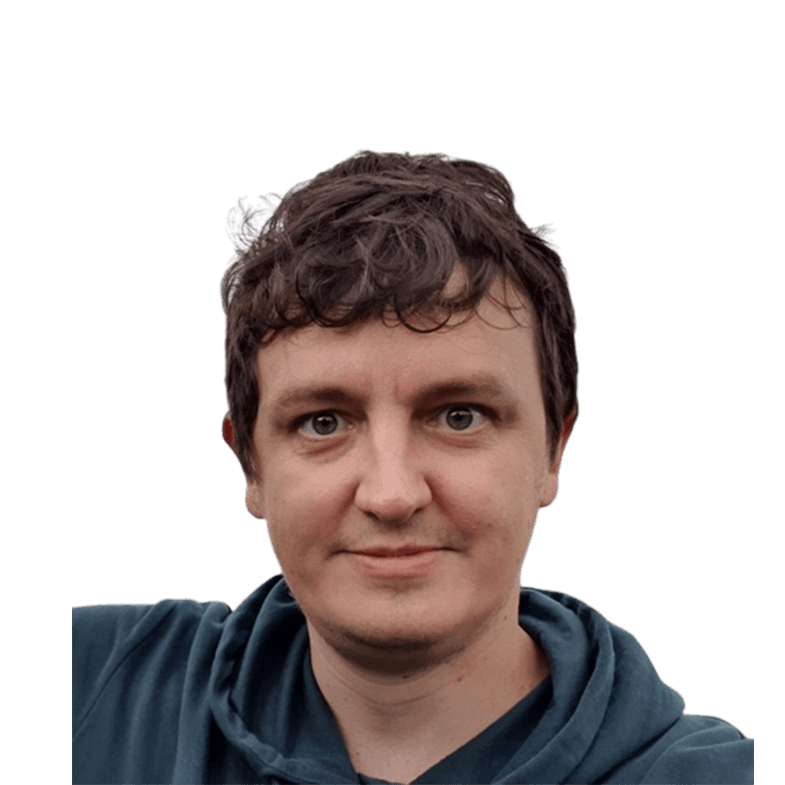
Maxim Musin
CEO at rebels.ai
Course length
Duration
Total hours
Credits
Language
Course type
Fee for single course
Fee for degree students
Skills you’ll learn
Overview
This course offers a comprehensive exploration of training, fine-tuning, and overseeing modern large-scale language models (LLMs) and generative models across various modalities such as text, images, sound, and video. Participants will acquire practical skills in utilising tools like Langchain and Huggingface for LLM development, deployment, and optimization. The curriculum also delves into computational resources for AI models, training multimodal language models, and enhancing computational efficiency. By the conclusion of the course, students will possess hands-on experience and knowledge of both open-source and proprietary models, culminating in a capstone project showcasing their proficiency in developing and applying these advanced AI models.
Learning highlights
- Understanding LLMs and Generative Models: Learn fundamental concepts, applications, and distinctions between open-source and proprietary models.
- Hands-On with Langchain and Huggingface: Utilise Langchain for LLM development and Huggingface for model deployment.
- Training and Fine-Tuning: Develop skills for training and fine-tuning LLMs and generative models across various modalities.
- Multimodal Models: Explore multimodal models such as CLIP and Flamingo, including training methodologies.
- Model Management and Optimisation: Implement best practices for model management, optimising training, and utilising cloud providers.
- Capstone Project: Apply acquired skills in a project involving LLMs, generative models, or multimodal models.
Course outline
15 classes
Session 1
Overview of LLMs and generative models for multimedia (text, image, sound, video).
Historical context, evolution, and applications.
Introduction to proprietary vs. open-source models.
Session 2
Introduction to Langchain and its role in simplifying LLM development.
Hands-on exercise: Building chains and working with prompt management.
Session 3
Overview of Huggingface agents and their utility in deploying and managing models.
Lab: Deploying an LLM using Huggingface.
Session 4
Understanding the Llama 3 model architecture, features, and differences compared to other models.
Pros and cons in comparison with proprietary models.
Session 5
Methods for training and fine-tuning open-source LLMs.
Introduction to datasets, pre-training, and supervised fine-tuning techniques.
Session 6
Introduction to generative image models (GANs, diffusion models).
Overview of popular tools like Stable Diffusion, DALL-E, and others.
Session 7
Practical session on tuning image-generative models for specific tasks using open-source frameworks like Huggingface.
Session 8
Overview of sound-generative models like Jukebox and RAVE.
Understanding their architecture and practical use cases.
Session 9
Introduction to models for video generation (e.g., RunwayML).
Practical challenges, data requirements, and available models.
Session 10
Introduction to multimodal language models (e.g., CLIP, Flamingo).
Applications of multimodal models in combining text, image, and other modalities.
Understanding the challenges and advantages of multimodal models.
Session 11
Methods for training multimodal models on diverse datasets.
Hands-on: Using pre-trained multimodal models for classification and generation tasks.
Session 12
Best practices for managing generative and multimodal models.
Version control, model updates, and handling biases in generated content.
Session 13
Exploring computational providers (e.g., AWS, GCP, Azure) for LLM and generative model training and deployment.
Hands-on with cloud setup and resource management.
Session 14
Strategies for improving computational efficiency during training.
Mixed-precision training, batch size adjustments, and hardware utilisation.
Session 15
Students present their final projects focusing on LLMs, generative models, or multimodal models.
Open discussion on learnings, challenges, and future directions.
Prerequisites
Python - Intermediate Level.
Machine Learning - Introductory Level.
Cloud Services - Basic Level.
Methodology
We will study a set of practical jupyter notebooks, interrupted by relatively short theoretical parts. There will be two big homework assignments designed to emulate a relatively real data science project. There will also be personal projects based on Python integrations and capabilities of data analysis; this will be a good example of time management in a DS project. Finally, students will have a final exam and a student project demonstration at the end of the course.
Grading
Maxim Musin comes from a background in statistics, advanced multidimensional probability, and random processes. During his career in these fields, he found himself developing skills and gathering experience through working in both academic environments and the private sector. For the last 5 years Maxim is a CEO of for profit AI development laboratory rebels.ai, integrating AI in enterprise and helping startups reach the orbit.
His academic experience ranges from teaching probability and statistics at MSU and MIPT, as a member of the faculty of innovation and high technology, FIHT, which at the time was among the few places worldwide with capabilities for advanced statistics study. During his time there, he produced several notable projects with his students, particularly in regards to the stochastic convergence of neural networks. His course on applied modern statistics became mandatory for the data analysis division of the FIHT MIPT Masters.
See full profileApply for this course
Generative AI Models: Tuning, Training, and Applications
by Maxim Musin
Total hours
45 Hours
Dates
Dec 02 - Dec 20, 2024
Fee for single course
€1500
Fee for degree students
€750
How to secure your spot
Complete the form below to kickstart your application
Schedule your Harbour.Space interview
If successful, get ready to join us on campus
FAQ
Will I receive a certificate after completion?
Yes. Upon completion of the course, you will receive a certificate signed by the director of the program your course belonged to.
Do I need a visa?
This depends on your case. Please check with the Spanish or Thai consulate in your country of residence about visa requirements. We will do our part to provide you with the necessary documents, such as the Certificate of Enrollment.
Can I get a discount?
Yes. The easiest way to enroll in a course at a discounted price is to register for multiple courses. Registering for multiple courses will reduce the cost per individual course. Please ask the Admissions Office for more information about the other kinds of discounts we offer and what you can do to receive one.